
Both these subjects are often met with a raised eyebrow and an “OH”.
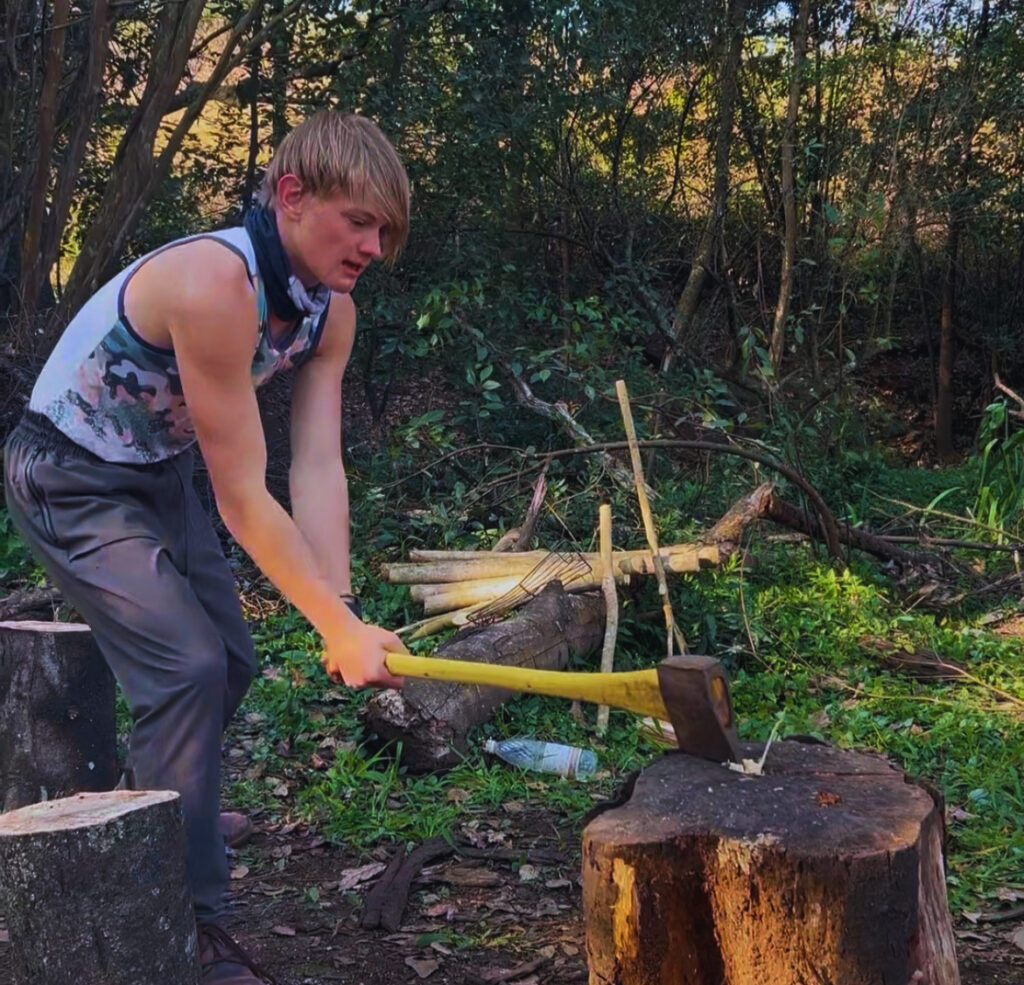
Shop class has unfortunately been removed from the educational systems of many nations, seen as outdated, old-fashioned and largely irrelevant in the modern electronic age.
Bushcraft, a newcomer, is often seen as time spent outdoors skipping through the woods, gazing at bugs and hugging trees.
At Bridgemore nothing could be further from the truth – although woods have been skipped through, several bugs have been gazed at and quite a few trees have been hugged.
Both these subjects operate on 2 levels:
- They are separate stand-alone subjects with their own educational outcomes.
- They provide practical learning and physical support for many of the other subjects.
As stand-alone subjects…
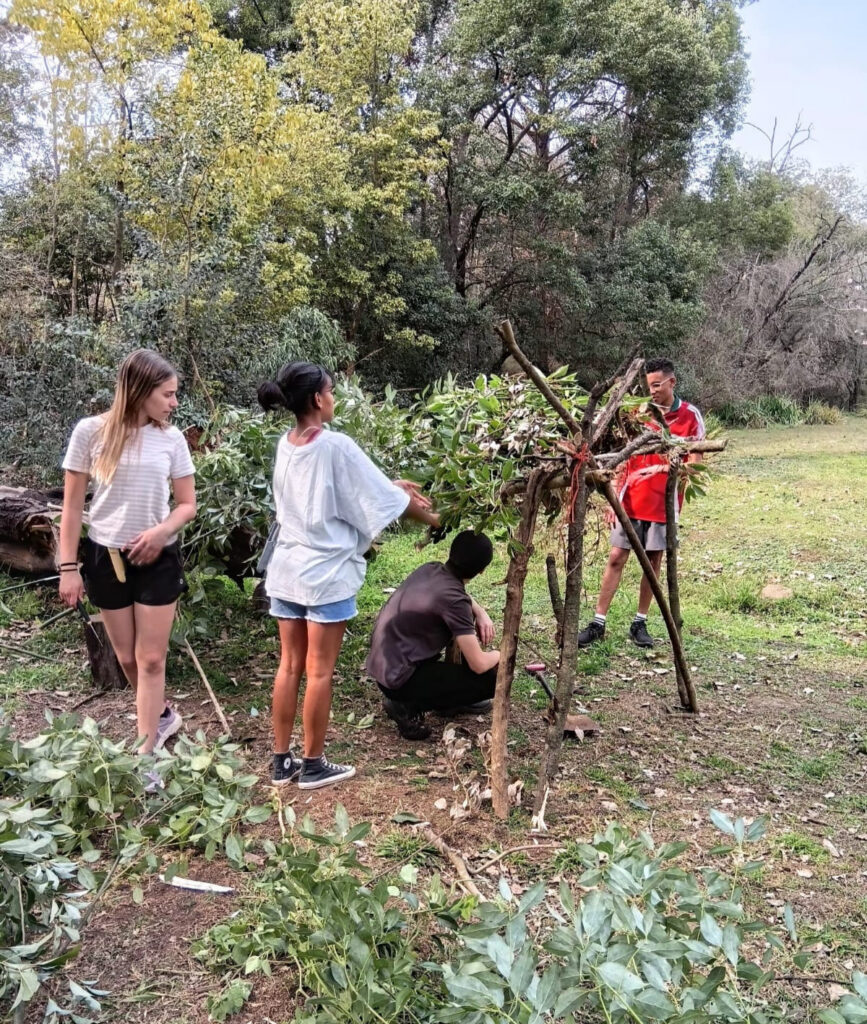
As stand-alone subjects they expose the students to challenges they would not encounter in the other subjects. They transform thoughts, ideas and plans into physical projects with physical outcomes and physical consequences. It is one thing to build a model of a camp or a bridge, but it’s quite another to pitch a tent, make a fire, cook food or make a bridge that has to support real people across a real stream.
Failure in design and construction means getting wet. It changes the dynamic considerably when there are real consequences.
These subjects expose students to ever-changing challenges that have to be rapidly evaluated and mitigated in real life and in so doing build up a range of skills both physical (such as motor skills) and psychological (such as responsibility).
All while having a fair amount of fun.
As support subjects…
As support subjects they are valuable in bringing classroom book learning into real life.
Projects are linked into the various sections of the other subjects in order to provide a little extra.
- History – Various objects are designed in art or technical drawing and then forged out by hand in the workshop. The reality of life, before machines and supermarkets, quickly becomes vividly imagined.
- Geography – Map skills and weather is used during orienteering practice and hiking. Contour lines on maps have real meaning
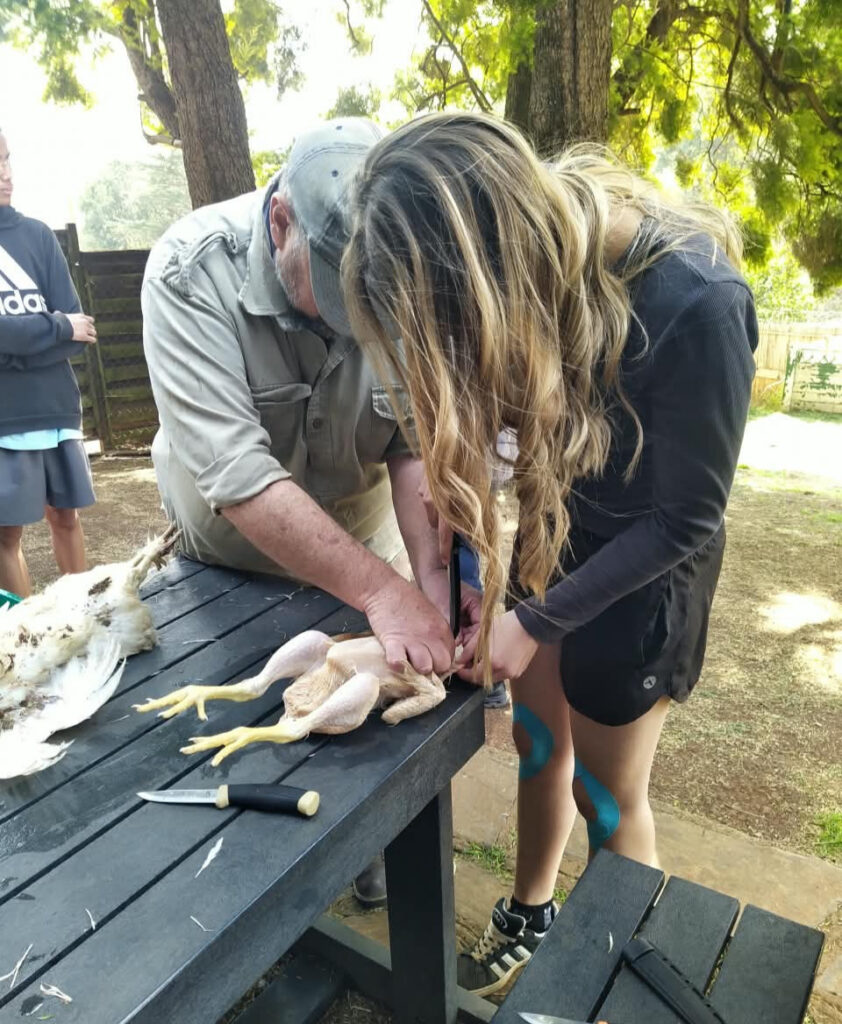
- Natural Science – Food chains, nutrition and anatomy are explored in collecting and processing foods in the wild. It gives learners a tangible understanding of where their food comes from, and the physical makeup of living things.
- Physical Science – Thermodynamics – nothing teaches it better than sitting around a campfire or faster than sleeping on the ground because a pad was forgotten at home.
- Drama – The workshop allows students who are thespianly challenged to still become involved in stage productions by constructing sets, props and costumes
- Art and Technical Drawing/Design – The workshop allows large, often complex, projects to be attempted.
EVERYDAY SKILLS ARE LEARNT
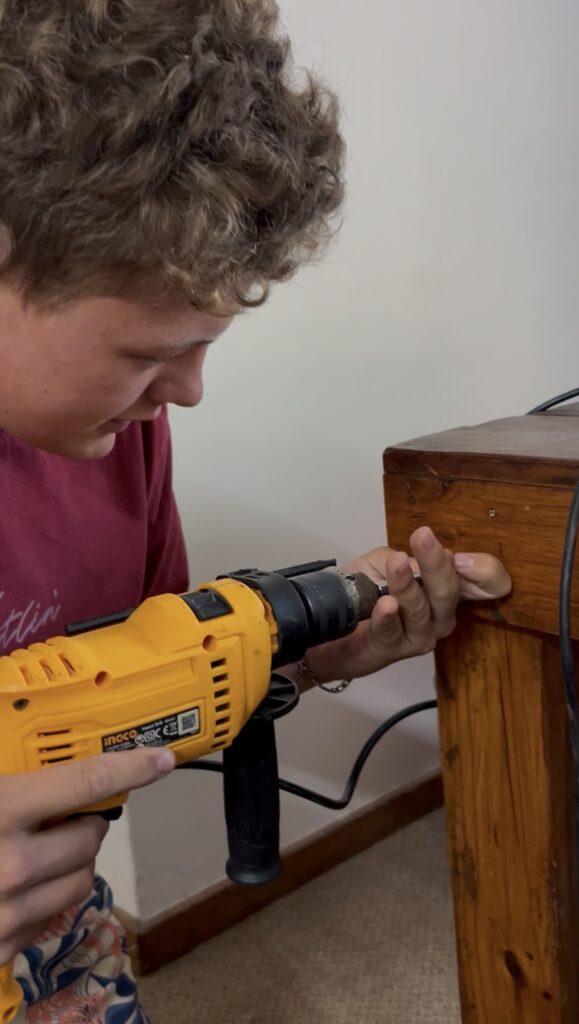
Broken windows, leaky pipes, and electrical items are repaired. Minor services on cars, motorbikes and bicycles are done. Flat tires changed. Shelves made, pictures framed hung on walls. Knives and axes sharpened. Firewood safely chopped.
On freezing winter mornings, learners benefit from the skills they have developed by enjoying the warmth of fires they’ve made to warm their classrooms.

And nothing is more vitally relevant or useful than that.
Except Hot Chocolate of course.
by Simon Walters, Bridgemore Academy